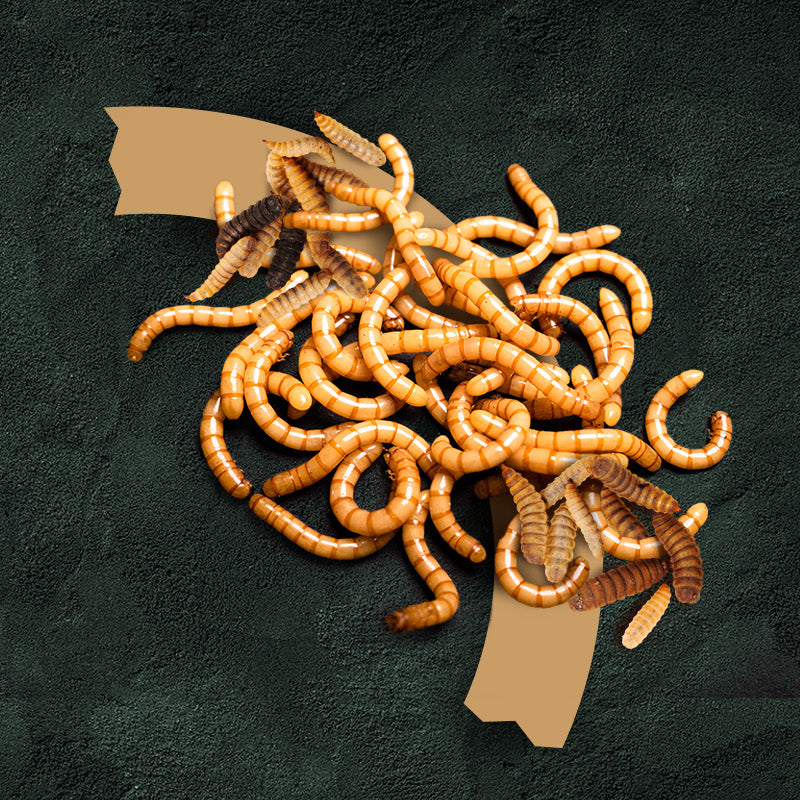
What is the difference between the yellow and black pupae sieve?
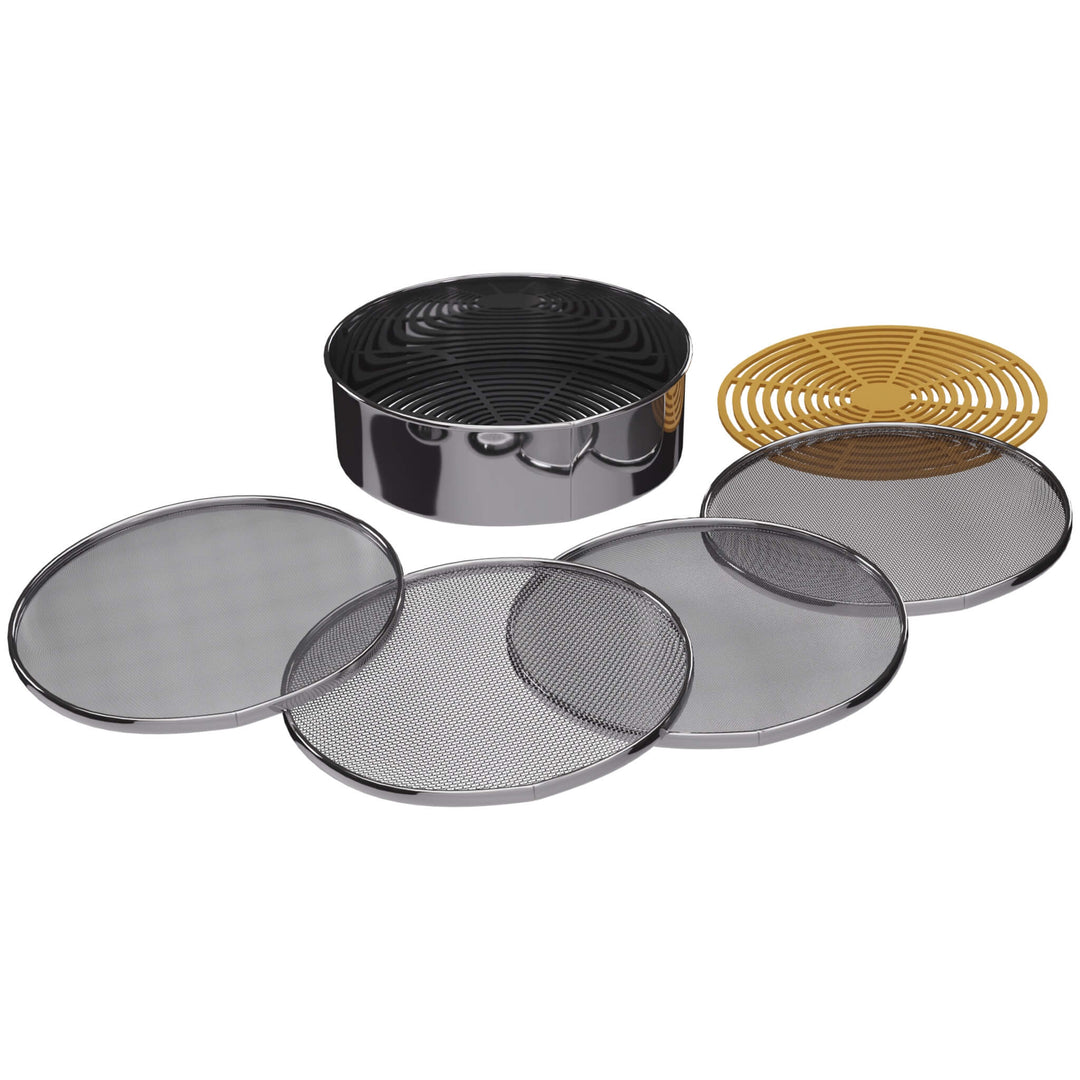
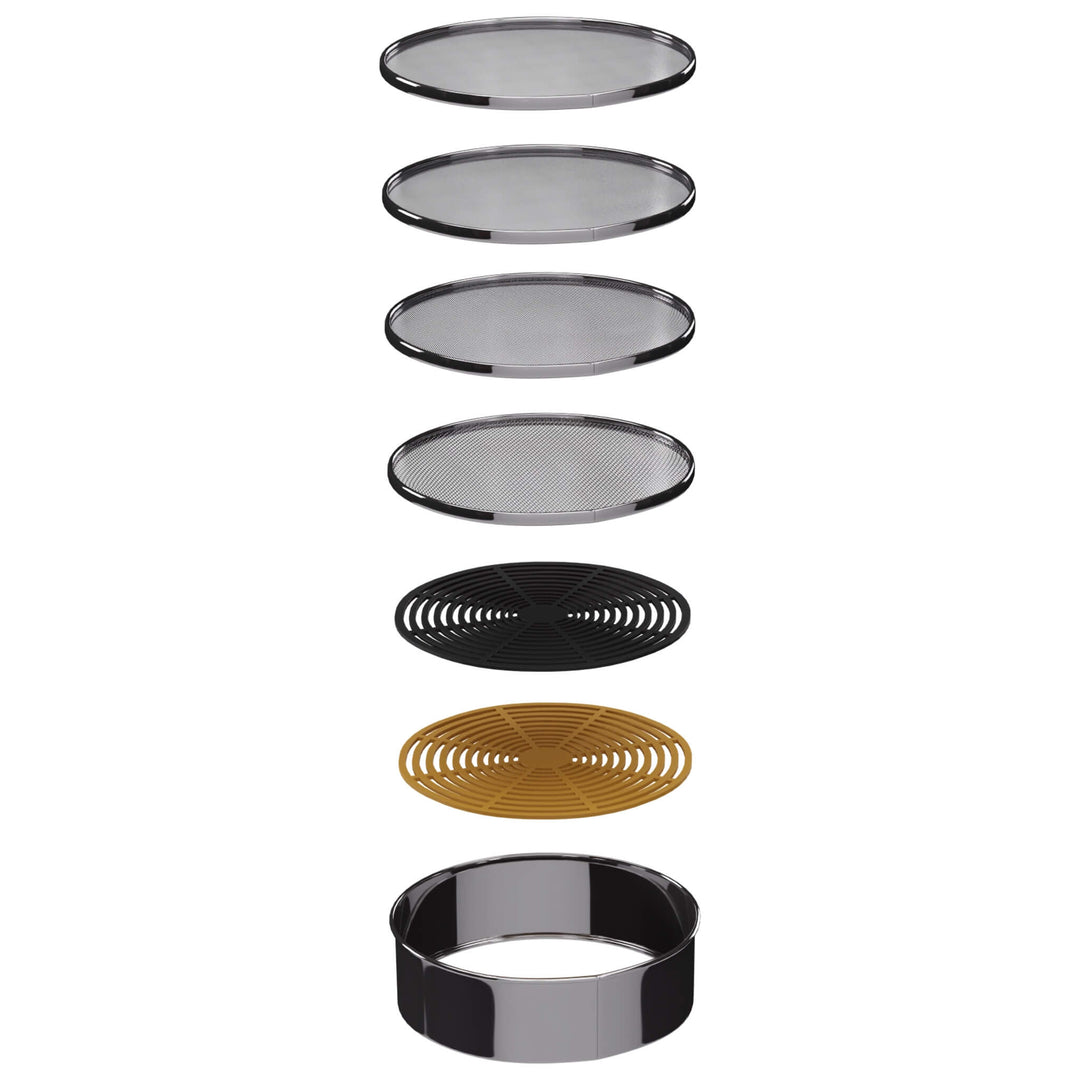
The yellow sieve separates strong, large pupae — the best candidates for your breeding stock. The black sieve catches so-called stress pupae: smaller, weaker pupae that have pupated prematurely due to stress. This distinction lets you actively select for quality in your beetle colony.
Why do the two plastic pupae sieves look almost identical?
That's intentional — the two inserts differ only in the fine detail of their openings. The difference is barely visible to the naked eye, but just large enough to separate healthy, strong breeding pupae from smaller stress pupae. As a guide: Yellow = large, healthy pupae for breeding. Black = stress pupae to discard.
What are stress pupae and why shouldn't I breed from them?
Stress pupae form when larvae experience stress — from incorrect temperatures, excessive moisture, or lack of food. The metamorphosis accelerates, leaving the pupae small and underdeveloped. The beetles that emerge are usually disease-prone, low in vitality, and die early. It's better to discard them and address the root cause in your setup.
What sieving technique works best?
Fill the sieve and tap it firmly against your wrist — this moves the material more effectively than shaking alone and makes sieving significantly faster. For rough separation one pass is usually enough; for finer sorting simply repeat.
What should I do with the sieved frass?
Mealworm frass is a high-quality plant fertiliser — rich in nitrogen and microorganisms. Work it directly into soil or dissolve it as a liquid fertiliser. Don't throw it away.
Which substrate works best for clean sieving?
Coarse wheat bran is ideal: it stays on top of the mesh while fine frass falls through. Rolled oats also work, but should only be sieved once completely eaten — otherwise they clog the mesh.
What is the difference between this set and your standard insect sieve?
The standard insect sieve handles basic harvesting and substrate separation with a single fixed mesh. This set goes much further: 4 different mesh sizes allow size-sorting of larvae, and the two pupae sieves enable targeted quality selection for breeding — none of which is possible with a single sieve.
Can I tell if a pupa is still alive?
Yes: a living pupa moves when lightly touched or turned over — it actively rotates. Discoloured (brownish or dark) pupae or those that no longer move are usually dead. Remove them promptly as they can transfer bacteria to healthy pupae.