

OFERA mealworm starter colony for breeding
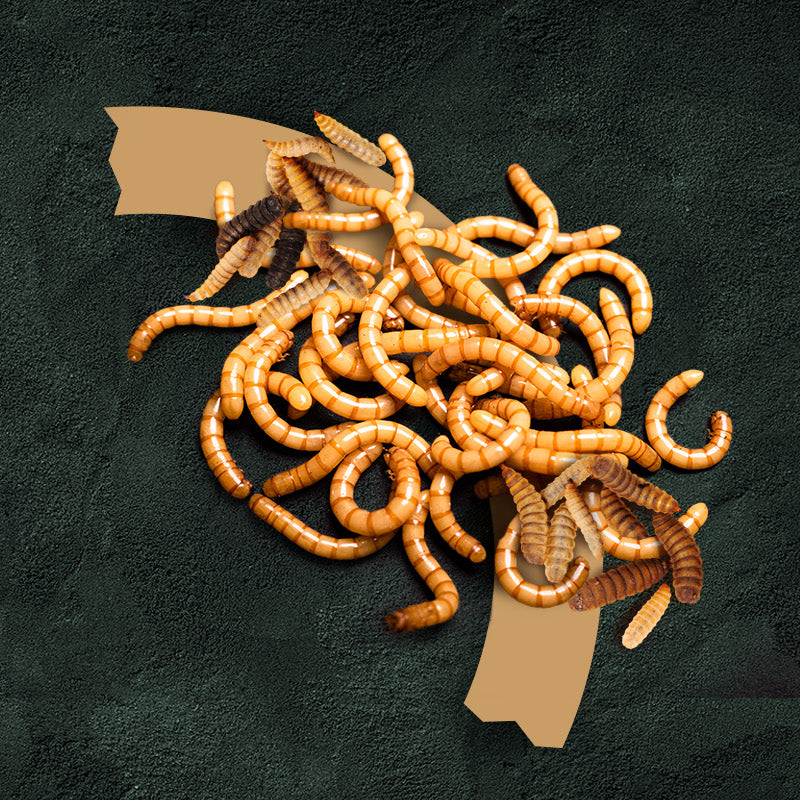
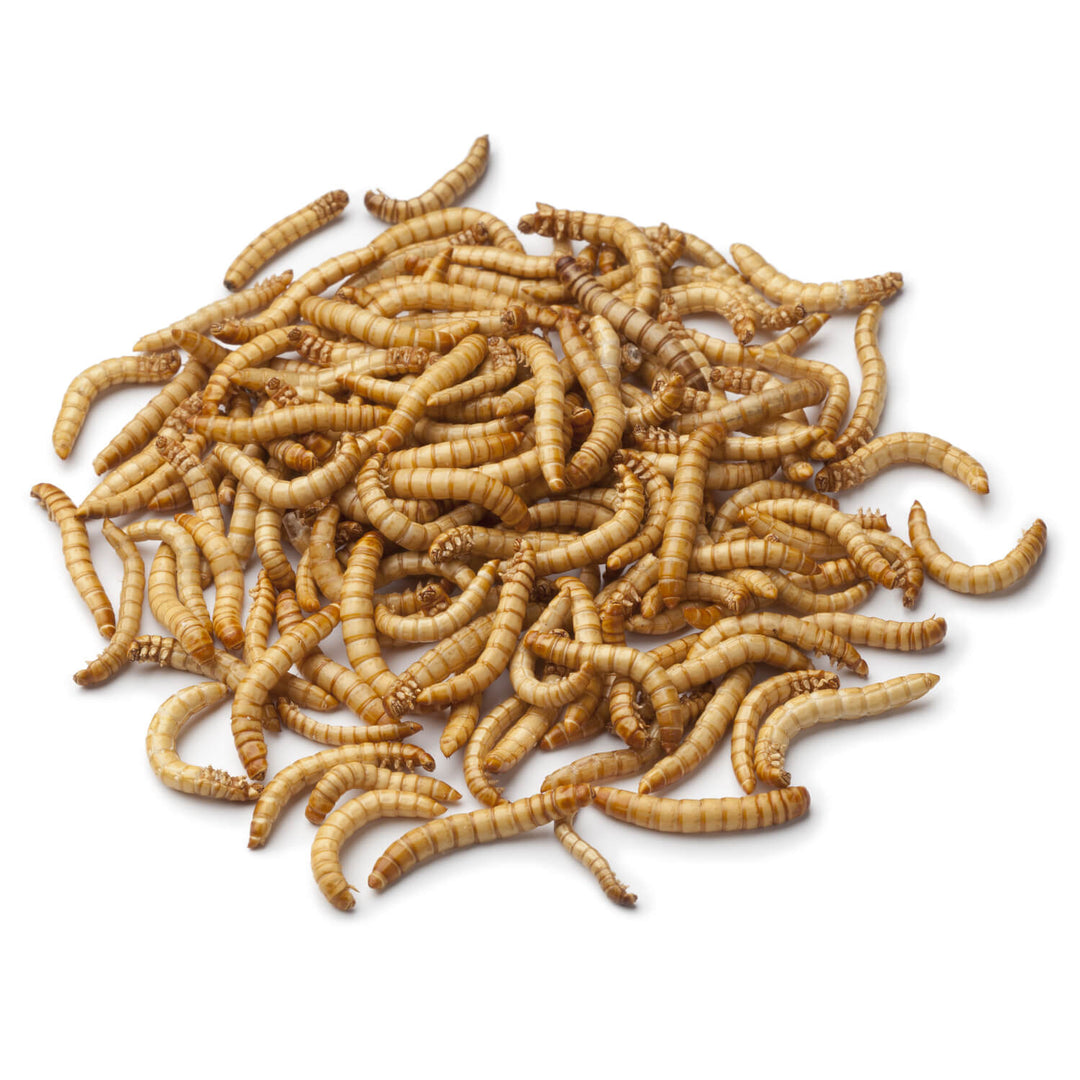
Live mealworms from the OFERA breeding starter colony

Mealworm Starter Colony – Live Mealworms for Breeding

1268

Live larvae from Austrian breeding – your start in mealworm farming

Regular priceCHF 33.00
/
Tax included. Shipping calculated at checkout.
  • From Austrian breeding
  • 2,000–2,500 vital larvae shortly before pupation
  • Carefully packed – with heat or cool pack
  • First pupae after approx. 2–3 weeks
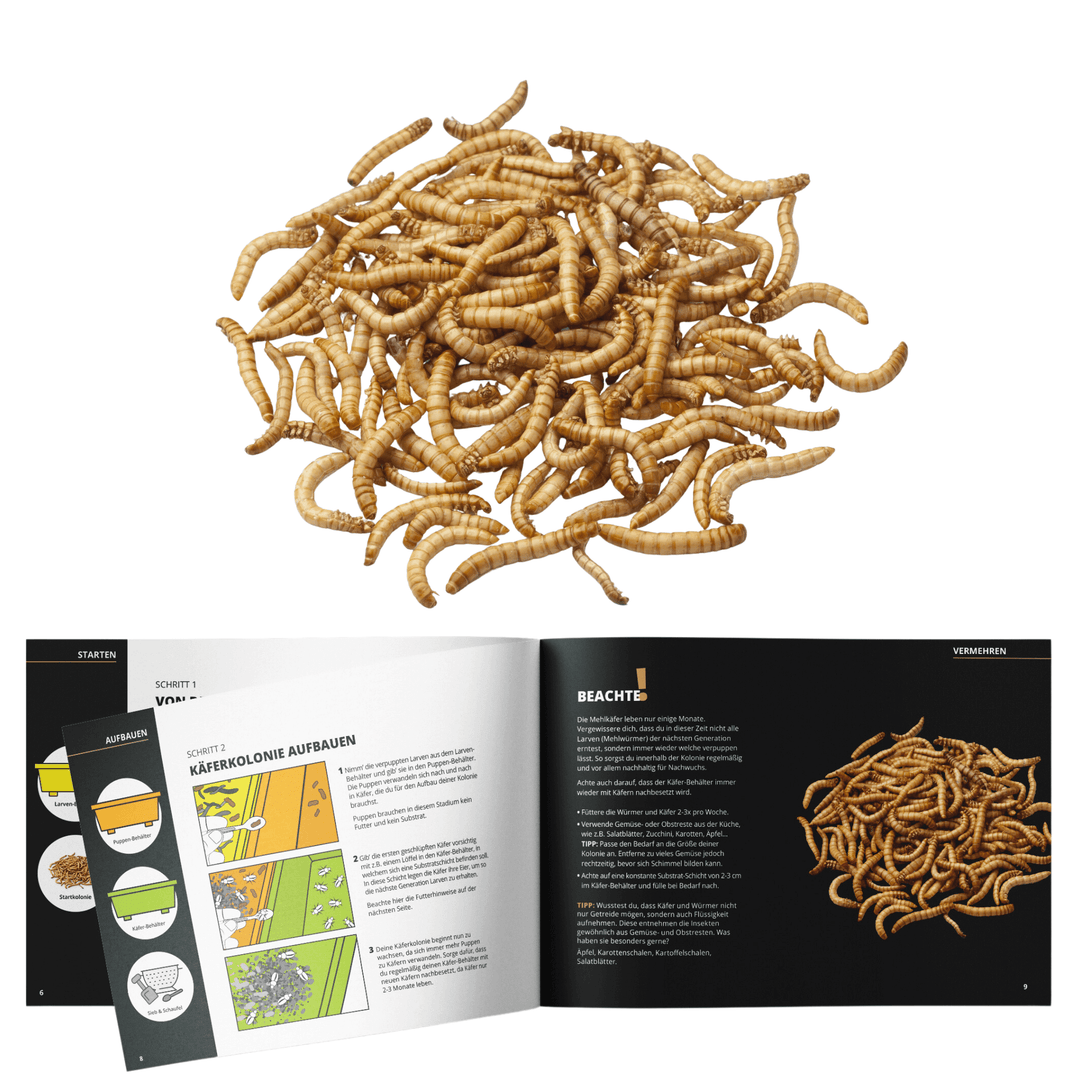
  • Optionally with printed starter guide

Variant
  • Low stock - 7 items left
  • Inventory on the way
  • Fast delivery (3-5 working days)
  • Environmentally Friendly Packaging
  • EU-wide shipping & Switzerland

Breed mealworms with the starter colony

Want to breed mealworms and produce sustainable feed for your chickens, reptiles, birds or fish yourself? Our starter colony from Austrian breeding makes it easy to begin: you receive 2,000–2,500 live, fully grown larvae that pupate a few weeks after arrival – the basis for your own beetle colony.

If you already have the Mealworm Farm, the starter colony lets you build up or expand your first beetle colony. No farm yet? The Mealworm Breeding Kit includes the farm, a starter colony and accessories.

How to start breeding

  • Put the larvae into a suitable container straight after arrival and let them settle in at room temperature for about 24 hours.
  • Then start feeding them – this speeds up pupation. The first pupae appear after about 2–3 weeks, depending on temperature and feeding.
  • Darkling beetles hatch from the pupae and start laying eggs after a few days. Within 1–2 weeks, the next generation of larvae hatches.
  • Additional starter colonies help you build up your beetle colony faster and increase your yield.
  • Ideal breeding temperature: 20–25 °C. Below about 9 °C the larvae go into cold torpor; they survive down to about 0 °C.

Also suitable as live feed

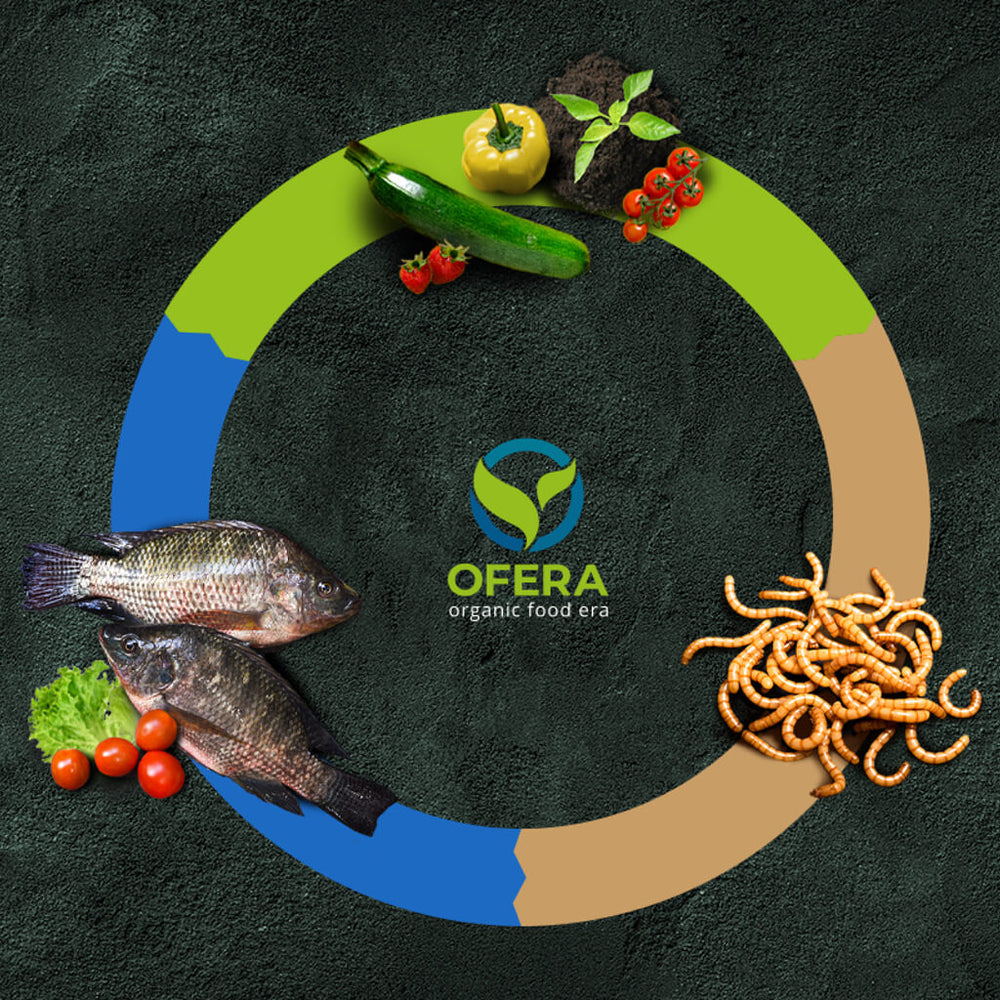
The larvae are also suitable as live mealworms for feeding directly to chickens, wild birds, reptiles or fish. If you want fresh feed all year round, it’s best to keep breeding them yourself – for example with the Mealworm Farm.

Safely packed and shipped

The larvae travel in a well-ventilated transport net inside a special box whose filling material regulates moisture. In winter we add a heat pack, in summer a cool pack. We ship so that the larvae spend as little time as possible in parcel centres – we don’t ship before public holidays or long weekends. As a result, usually more than 99 % of the larvae survive the journey.

What’s included

  • Starter colony with 2,000–2,500 live, fully grown mealworms (approx. 300 g – the weight varies depending on storage, moisture and feeding)
  • Variant including starter guide: printed booklet with illustrated breeding instructions and breeding calendar – ideal for beginners
  • Substrate and food are not included

Product video

Note: The starter colony is not a food product and is not suitable for human consumption.
Do the larvae survive shipping?
Yes. The larvae travel in a ventilated transport net inside a special box – with a heat pack in winter and a cool pack in summer. We don’t ship before public holidays or long weekends, so the larvae hardly wait in parcel centres. Losses are usually below 1 %.

What do I do right after arrival?
Put the larvae into a suitable container straight away and let them settle in at room temperature for about 24 hours – this helps them recover quickly from the journey.

What else do I need?
An escape-proof container – ideally the Mealworm Farm with automatic separation –, substrate such as wheat bran or cereal flakes and some vegetables for moisture, e.g. carrot slices.

When do the first pupae and beetles appear?
The first pupae appear after about 2–3 weeks, depending on temperature and feeding. Darkling beetles hatch from them and start laying eggs after a few days.

Do I need to feed the larvae?
Yes – feeding speeds up pupation. Start about 24 hours after arrival, once the larvae have acclimatised at room temperature.

Can I also feed the mealworms directly to my animals?
Yes, the larvae are also suitable as live feed for chickens, birds, reptiles or fish. For fresh feed all year round, however, it pays to keep breeding them yourself.

What is the starter guide?
A printed booklet with illustrated breeding instructions and a breeding calendar – the same content as our digital guide, but ready to leaf through and fill in. It comes with the “including starter guide” variant.

This site is protected by hCaptcha and the hCaptcha Privacy Policy and Terms of Service apply.

You might like it too


Recently viewed