


Updated on February 22, 2026
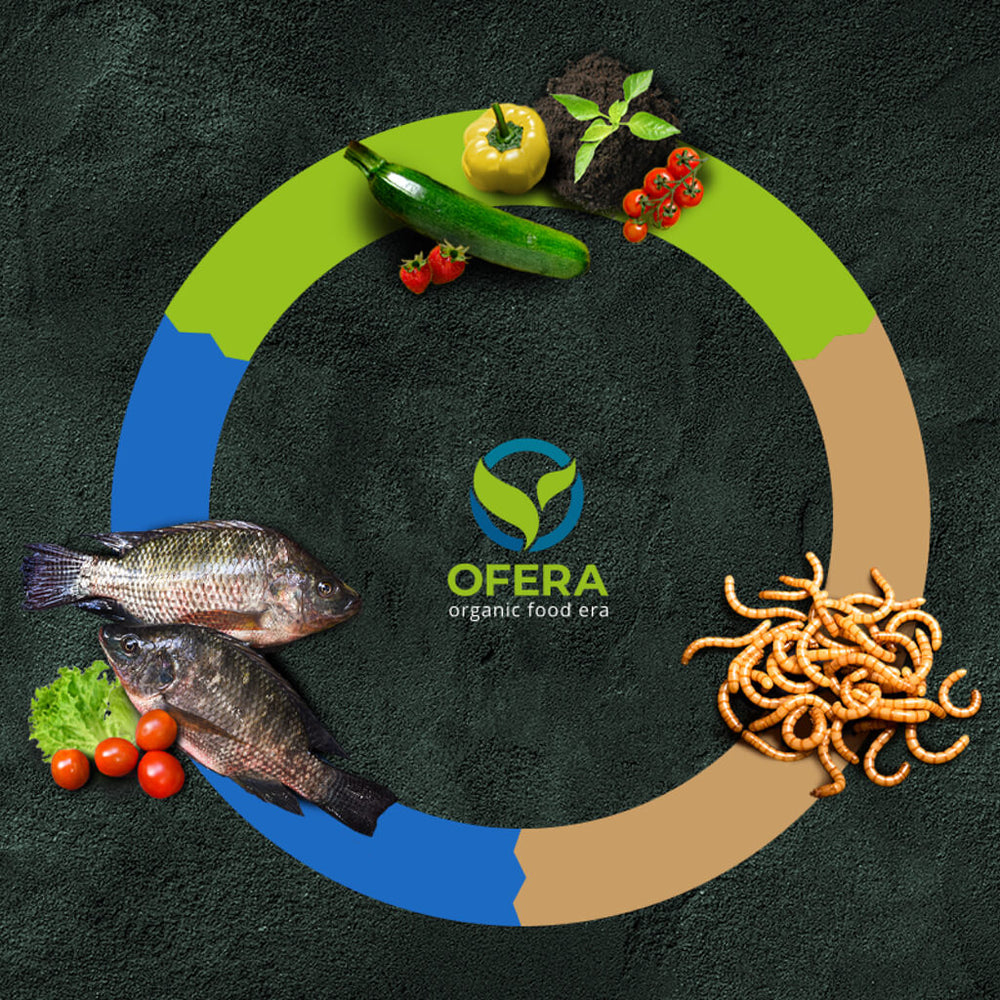
Tilapia is without a doubt the most popular fish used in aquaponics systems. One reason is that tilapia are excellent food fish that thrive in warm water and grow quickly. More importantly, they are perfectly suited for living in a closed-loop system together with plants. Their feeding behavior and resilience make them ideal for anyone interested in raising tilapia in aquaponics.
But what else should you know about this fascinating fish?
Tilapia Are Flexible Eaters
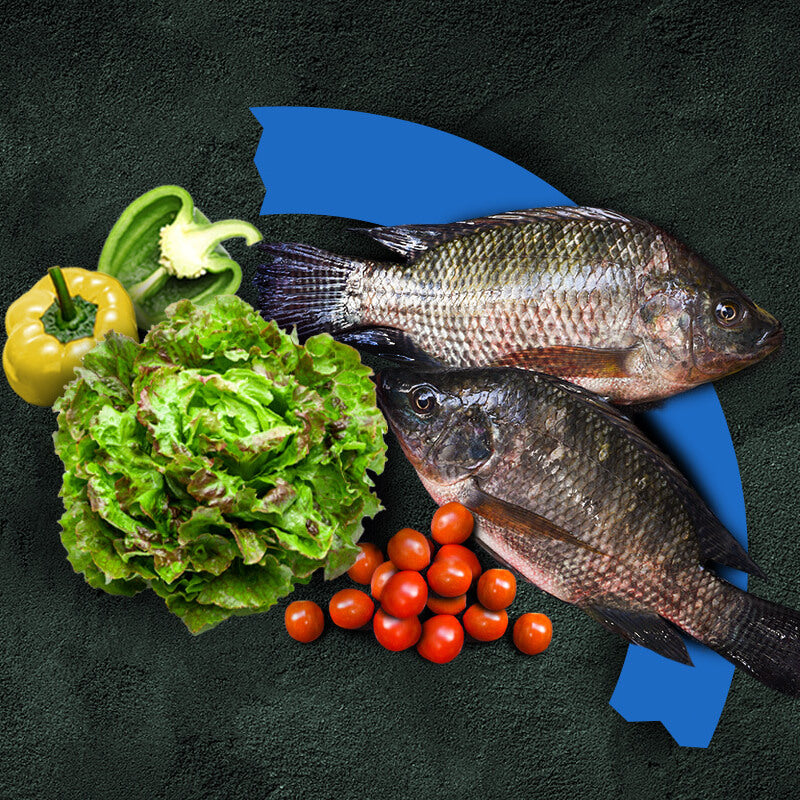
If we look at their natural feeding behavior, tilapia could almost be described as “flexitarians.” Tilapia are able to eat mostly plant-based foods and efficiently digest plant protein. This makes them especially interesting for aquaponics, because they can be fed duckweed grown in the system or vegetable scraps from the kitchen.
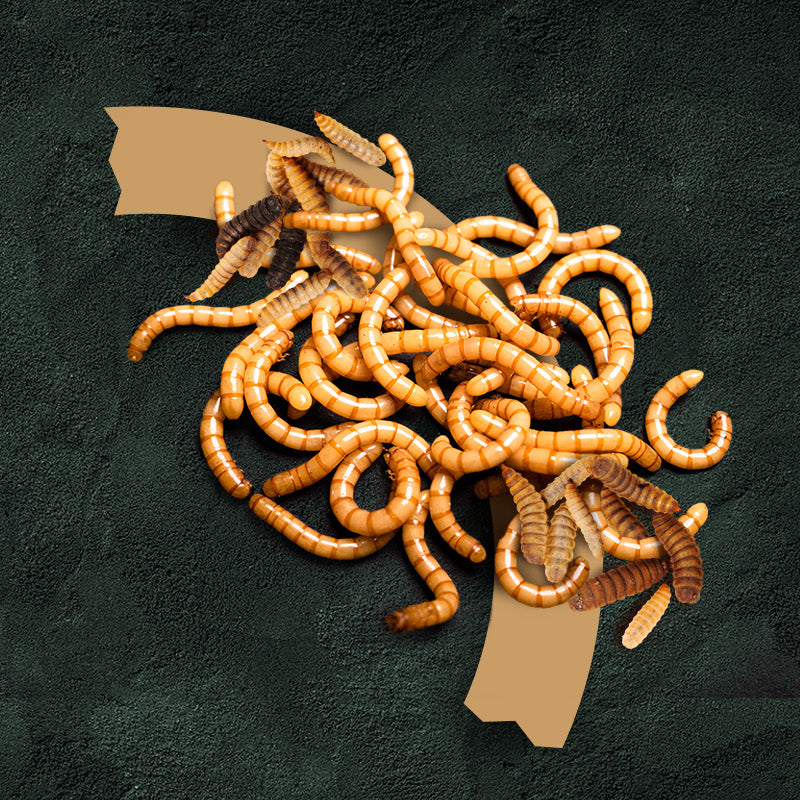
However, in natural environments tilapia will also eat insects whenever they are available. Animal protein does not have to be the main component of their diet, but a balanced mix can significantly improve growth and vitality. While plant-based feed alone can work, we recommend occasionally supplementing their diet with insects. Mealworms or black soldier fly larvae are particularly suitable.
What Do Tilapia Eat in Aquaponics?
Tilapia in aquaponics benefit from a balanced combination of plant-based and animal protein sources. In addition to duckweed, vegetable scraps or commercial fish pellets, insect larvae are becoming increasingly popular — especially for aquaponics farmers who want to create a more sustainable and independent feeding system.
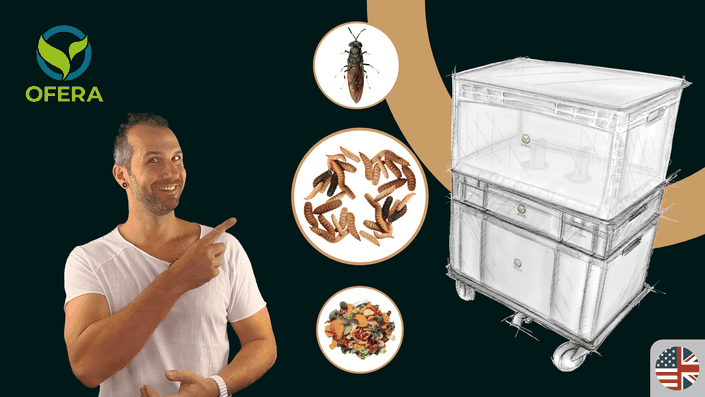
The larvae of the black soldier fly (Hermetia illucens) or mealworms (Tenebrio molitor) are particularly interesting. They are rich in protein, efficiently convert organic waste and provide high-quality nutrients for strong growth and a good feed conversion ratio. At the same time, they help reduce feed costs.
Vegetable scraps or organic waste that cannot be fed directly to the fish can be transformed into valuable fish feed by raising insects — an elegant way to close nutrient cycles in aquaponics.
Vegetable Scraps from the Kitchen
Tilapia can easily be fed vegetable scraps such as carrot peels, lettuce leaves or radish greens. Depending on the size of the fish, the vegetables should be chopped before feeding. It may take some time for the fish to get used to this type of food — especially if they were previously fed only pellets.
Duckweed
Duckweed is one of the most efficient natural feed sources for tilapia. During the summer months it multiplies extremely quickly and can either be added directly to the fish tank or grown in a separate container. Under good conditions duckweed can double its biomass within just a few days, providing a constant supply of fresh green fish feed.

Black Soldier Fly Larvae or Mealworms
Black soldier fly larvae and mealworms are powerful growth boosters when raising tilapia. Thanks to their balanced protein and fat profile, both are excellent supplements to a plant-based diet — similar to what tilapia would naturally eat in the wild.

Commercial Fish Feed (Pellets)
Not everyone has the time or opportunity to produce enough fish feed themselves. High-quality pellet feed can therefore serve as a reliable base diet. When choosing pellets, pay attention to quality, origin and the appropriate pellet size for your fish.
Should You Make Tilapia Feed Yourself or Buy It?
This question does not always have a simple answer. Commercial fish pellets are the easiest solution — although not always the cheapest one. At the same time, producing part of the fish feed yourself and recycling kitchen waste can be both rewarding and sustainable.
Our recommendation is to combine high-quality pellet feed with additional sustainable feed sources such as vegetable scraps, duckweed, mealworms or black soldier fly larvae. The insects themselves can again be fed with vegetable waste from your aquaponics system or garden.
Tilapia Have an Excellent Feed Conversion Ratio
The feed conversion ratio describes how efficiently fish convert feed into body mass. This value is an important factor for the economic viability of an aquaponics system.
Depending on temperature, feeding strategy and feed composition, some fish farmers report gaining 1 kg of fish weight from only 1.1 kg of feed (FCR 1.1). In our own systems we currently achieve a feed conversion ratio between 1.3 and 1.5, which is already very efficient compared to many other fish species.
Of course, the feed conversion ratio strongly depends on feed quality and composition. Industrial feed manufacturers often promote optimized nutrient profiles and ideal protein levels in their pellets. However, our experience operating aquaponics systems with tilapia shows that supplementing pellets with fresh insect larvae consistently improves growth.
This demonstrates how much difference high-quality, locally produced fish feed can make in a circular aquaponics system — both for fish vitality and growth.
Breeding Tilapia
Have you ever heard of mouthbrooding fish? These are fish that carry their offspring inside their mouths until the young are developed enough to swim independently. Tilapia belong to this group of fish, which makes breeding tilapia relatively straightforward. However, there are still several important points to consider.

Step 1 – Identify the Sex of Your Fish
Determine the sex of your potential breeding fish and make sure you have enough males and females available. Tilapia typically reach sexual maturity at around one year of age.
Step 2 – Prepare a Suitable Breeding Tank
Place four to five females together with one male in a sufficiently large breeding tank. Tanks with at least 300 liters of volume are recommended.
Step 3 – Create Optimal Conditions
Water temperatures between 25–30 °C, sufficient oxygen, at least 12 hours of light and some hiding places are essential for successful breeding.
Step 4 – Observe the Fish
After some time the male will begin courting the females. During this phase males can become aggressive. If injuries occur, the affected fish should be separated.
Step 5 – Separate the Mother and Fry
To provide the female with enough peace and protection, it is recommended to move her and the offspring into a separate tank.
Step 6 – Raise the Juvenile Fish
After around four weeks the female releases the young fish completely. These fry should then be raised in a separate tank without a circulation pump. An air pump provides oxygen, and regular water changes are important.
Summary
Tilapia are ideal fish for seasonal aquaponics systems, especially during warmer months. They do not require large amounts of animal protein, grow quickly, taste excellent and can be bred with relatively little effort. By using sustainable feed options such as insect larvae, the entire aquaponics system can become even more efficient and circular.
So — have you become a fan of this fish? Feel free to share your questions, experiences or thoughts in the comments below.



Hallo Stefan! Mein Aquaponic System läuft und ich bin absolut zufrieden. Ich bin wieder einmal auf deiner schönen Website gelandet. Ich habe Nil-Tilapias von verschiedenen Aquarien-Leuten bekommen und habe leider bis heute nicht geschafft, dass sie sich vermehren, was ursprünglich der Plan war. Anscheinend erhielt ich nur Männchen oder die Fische fühlen sich nicht wohl genug. Wie auch immer, woher bekommst du deine Tilapia, falls du welche hast? Freue mich auf deine Antwort und hoffe weiterhin für dich, dass du viele Kunden in der Zwischenzeit hast. Liebe Grüsse aus der Schweiz
Hi Silja! Wir geben auch immer etwas Bodengrund ins Becken. Du kannst dazu auch eine extra Schale verwenden. So kann das Männchen graben und mit der Reinigung tut man sich etwas leichter.
Auf Fotos sieht man Tilapia Becken oft ohne Bodengrund, ist ja leichter zu reinigen, aber wenn das Männchen eine Mulde schaffen will, funktioniert das genauso, oder brauchen sie ein bestimmtes Material? Eignet sich z. B. Kies mit einer 5-8mm Körnung? Bzw. wie wichtig ist überhaupt ein Boden?
Leave a comment